How to Network and Collaborate in the Creative Industry

Creative networking works best when it grows from shared interests, useful conversations, and respect for other people’s time. Whether you are a designer, illustrator, photographer, or art director, a clear portfolio and thoughtful approach can help turn a brief introduction into a professional relationship.
You do not need to treat every conversation as a sales pitch or expect each connection to lead to work. Focus instead on finding people whose skills and values complement yours, then make it easy to understand what you do and how you might work together.
Define what you want from your creative network
To build a useful creative network, identify the people, skills, and opportunities that support your goals. A clear direction helps you choose where to connect and what kind of relationship to develop.
Start by writing down what you want to learn or make over the next six months. Your aim might be to meet motion designers for a campaign, find a mentor who understands editorial design, or connect with developers who can bring interactive concepts to life. Specific goals make creative networking feel more purposeful without turning people into targets.
Next, map the skills around your own. A brand designer may benefit from relationships with copywriters, photographers, strategists, and web developers. You can also seek peers facing similar challenges; exchanging feedback with another early-career illustrator can be as valuable as meeting a potential client.
- People: Who would you like to learn from, support, or create with?
- Skills: What strengths are missing from the projects you want to make?
- Opportunities: Are you looking for feedback, shared experiments, referrals, or paid work?
Keep the list flexible. A personal brand can help others remember your focus, but it should describe what you do now rather than lock you into one narrow label. Relationships often reveal opportunities you could not have planned in advance.
Find the right places to connect
The right networking opportunities are the ones where your creative interests and the people you hope to meet overlap. Explore a mix of local events, online communities, and professional platforms, then invest in the spaces where conversations feel relevant.
In person, look for design talks, portfolio reviews, exhibitions, conferences, workshops, and meetups hosted by creative organizations. Smaller gatherings can be easier places to talk than large conferences, where people may be moving quickly between sessions. Check the event format before you go; a portfolio review calls for a different introduction than an informal opening.
Online, participate in communities centered on a specific discipline or shared practice. Design forums, critique groups, professional associations, and focused social platforms can help you find peers beyond your city. Contribute before asking for favors: offer a useful critique, share a process note, or answer a question you know well. Platforms such as Behance and LinkedIn can also help you discover work and people, but a profile alone rarely builds a relationship.
Choose a manageable rhythm. Attending one relevant event or contributing thoughtfully to a community each month is more sustainable than joining every group and disappearing from all of them. Some spaces may not lead to direct work; their value can be learning, feedback, or a sense of professional community.
Make your portfolio easy to share and understand
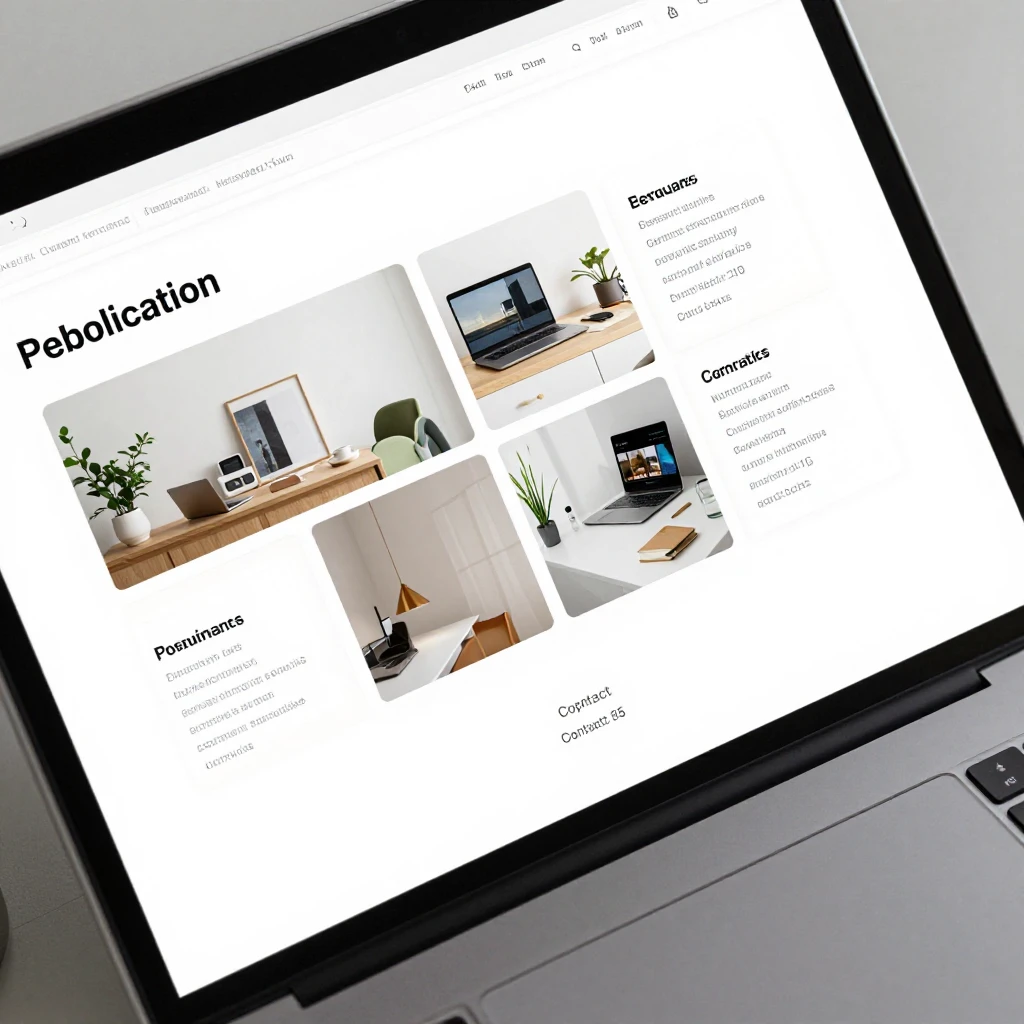
A strong design portfolio makes your work easy to scan, understand, and discuss. Before reaching out, prepare a focused selection of projects, brief context for each, and a simple way for someone to contact you.
Lead with a few pieces that fit the people or opportunity you have in mind. For each project, explain the challenge, your role, and the decisions you made. If a project involved a team, state who contributed what. This gives a potential collaborator more to respond to than a set of polished images without context.
Portfolio presentation matters in conversation. Keep the link easy to copy, check that it works on a phone, and make sure the most relevant work appears near the beginning. A short PDF can be useful for a specific introduction, while a portfolio website is easier to update and share broadly. Neither format needs to contain every project you have ever made.
- Use project titles and captions that explain the work plainly.
- Show process or prototypes when they clarify how you think.
- Include your name, location or time zone if relevant, contact details, and a concise description of your practice.
Think of the portfolio as a conversation starter, not a complete biography. Leave room for questions, and tailor what you share to the context rather than sending the same long presentation to everyone.
Start conversations with genuine, specific outreach
Effective creative outreach is brief, personal, and clear about why you are getting in touch. Mention something specific about the person’s work, introduce your own connection to it, and make a low-pressure invitation or request.
For example: “Hi Jordan, I enjoyed your identity system for the Harbor Arts Festival, especially how the lettering adapts across the posters. I’m a visual designer exploring cultural projects and would love to hear how you approached the system. If you have time, would you be open to a 15-minute chat next week? Here’s my portfolio for context.”
This message gives a genuine reason for contact and makes the request easy to understand. If you are proposing a project, explain the idea and why you think the person’s skills fit. Avoid vague messages such as “Let’s collaborate sometime,” or lengthy notes that require the recipient to work out what you want.
At an event, ask about the other person’s work before describing your own. A useful introduction can be as simple as: “I’m a product designer working on accessible mobile experiences. What kind of projects are keeping you busy?” Share your portfolio when it fits the conversation, not as an automatic first move.
If there is no reply, one polite follow-up after about a week or two is reasonable. Then leave the decision with them. Respectful outreach protects your reputation, even when the answer is no or there is no response.
Turn a connection into a well-defined collaboration
A successful creative collaboration begins with a shared goal and clear agreements about responsibilities, timing, communication, and credit. Discuss the practical details before either person invests substantial time or shares work publicly.
Use a short collaboration brief to make assumptions visible. It can be a one-page document or a written email that both people approve. Cover:
- Purpose and deliverables: What are you making, for whom, and what counts as finished?
- Roles and decisions: Who handles each task, gives feedback, and approves changes?
- Schedule and communication: What are the milestones, meeting rhythm, and preferred channels?
- Money and resources: Is the project paid, self-initiated, or an exchange? Who covers expenses?
- Credit and ownership: How will each contributor be credited, and who can use or publish the work?
For paid work or complex rights questions, use an appropriate written agreement and seek qualified legal advice where needed. A friendly working relationship does not replace clarity about usage, payment, or ownership. For speculative personal projects, agree on boundaries too: how many hours each person can contribute and what happens if someone needs to step away.
Set a check-in early, before a small misunderstanding becomes a late-stage problem. A 15-minute conversation after the first milestone can confirm that the workload, direction, and feedback process still feel fair to everyone.
Maintain relationships beyond the first project
Lasting creative relationships grow through consistent, considerate contact after the first conversation or project. Follow up on shared work, give credit accurately, and stay in touch with something useful or genuinely relevant.
After meeting someone, send a short note that recalls what you discussed. If they gave advice, mention how you used it. After a collaboration, share the finished work with proper attribution, thank contributors, and ask before posting anything that has not been approved for release.
Keep a light record of people you meet and the details that matter: their interests, a project they mentioned, or a resource you promised to send. A note in your calendar is enough. When you see a relevant opportunity, share it without attaching an immediate request. That kind of generosity makes a network reciprocal rather than transactional.
There is no need to message everyone every month. A thoughtful check-in when you have a real reason is better than a repetitive note sent only to stay visible. Some connections will become close creative partnerships; others may remain occasional sources of feedback or inspiration. Both are worthwhile.
Frequently asked questions
How do I network if I’m new to the creative industry?
Start with one or two communities related to your discipline, attend a small event, and ask people about their work. Share a simple portfolio, contribute feedback when you can, and follow up with anyone you had a meaningful conversation with. You do not need an impressive client list to begin; personal projects can show your skills and interests.
What should I include in my portfolio before reaching out?
Include a few relevant projects, a clear explanation of your role and process, and current contact details. If you are new, self-initiated work is appropriate when it demonstrates how you think. Choose projects that support the reason for your outreach instead of waiting until your portfolio feels complete.
How do I ask someone to collaborate?
Explain the project idea, why you want to work with that person, what you are asking them to contribute, and what the time commitment might be. Be clear about whether the work is paid or unpaid, then invite them to discuss it without pressure. If they are interested, write a collaboration brief before starting.
How can collaborators agree on credit and ownership?
Discuss credit and usage before work begins, then record the agreement in writing. Name each person’s role, decide how credits will appear in portfolios and public posts, and clarify who may reproduce or adapt the work. For commercial projects or uncertain rights, use a suitable contract and get legal advice.